
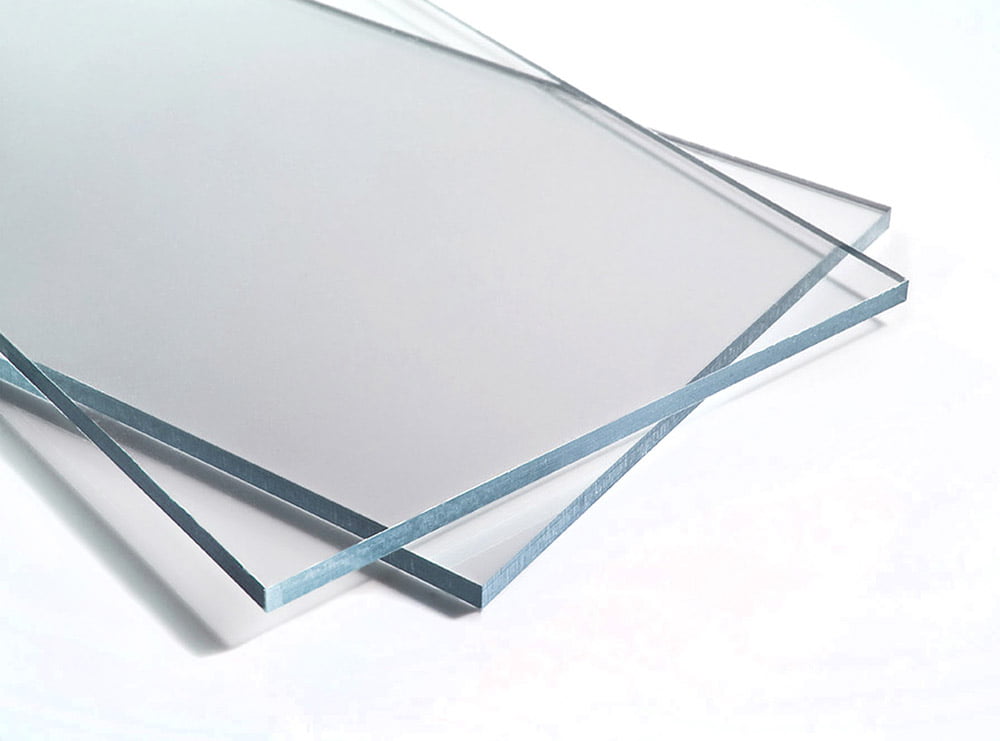
THE ULTIMATE GUIDE TO POLYCARBONATE & LEXAN POLYCARBONATE SHEETS (2025 EDITION)
A Complete Technical Resource for Contractors, Manufacturers, Engineers & Businesses in Canada
Introduction: Why Polycarbonate Is One of Canada’s Most Essential Plastics
Polycarbonate is a high-performance thermoplastic known for exceptional impact strength, clarity, and durability. Whether you call it polycarbonate, polycarbonate sheet, or the well-known brand name Lexan, this material is relied upon across Canada for applications where safety, transparency, and toughness are critical.
Used everywhere from industrial machine guards to security glazing, greenhouses, hockey rink shielding, and architectural installations, polycarbonate is one of the most advanced materials available to manufacturers and builders in Montreal, Laval, and across Canada.
This guide provides the most complete and technically accurate resource available online for polycarbonate and Lexan sheets — how they are made, how they perform, how they compare to acrylic, and how to fabricate them correctly.
What Is Polycarbonate? (Definition, Chemistry & Advantages)
Polycarbonate (PC) is an amorphous engineering thermoplastic made from bisphenol-A and phosgene derivatives. Unlike other plastics, PC combines:
-
High impact strength (250× stronger than glass)
-
Transparency up to 88–90%
-
High heat resistance
-
Dimensional stability
-
Electrical insulation properties
-
Outdoor durability (when UV-treated)
Key Physical Properties
| Property | Typical Value |
|---|---|
| Density | 1.20 g/cm³ |
| Light Transmission | 88–90% |
| Impact Strength | ~900 J/m (unbreakable in most tests) |
| Heat Deflection Temp | 130–140°C |
| UV Resistance | High (with coating) |
Polycarbonate’s unique molecular structure allows it to absorb energy without cracking — making it ideal for protective and structural uses.
What Are Lexan Polycarbonate Sheets?
Lexan is SABIC’s trademark for a premium polycarbonate formulation. In Canada, “Lexan” is commonly used as a generic term for clear polycarbonate sheet.
Why Lexan Is Popular
-
Extremely high consistency in resin quality
-
Industry standard for security glazing & machine guards
-
Excellent optical purity
-
Available in dozens of engineered grades:
Common Lexan Grades:
-
Lexan 9034 – general purpose clear polycarbonate
-
Lexan MR10 – abrasion-resistant, hard-coat surface
-
Lexan SL2 – UV-stabilized for outdoor applications
-
Lexan XL – improved weatherability
When Canadian industries choose “Lexan,” they are selecting the world’s most trusted brand of polycarbonate sheet.
Polycarbonate vs Lexan: What’s the Difference?
This is one of the most misunderstood questions — and a popular SEO keyword.
Short Answer:
Lexan is a brand of polycarbonate. Polycarbonate is the material.
Long Answer:
| Factor | Polycarbonate (General) | Lexan (Brand) |
|---|---|---|
| Manufacturer | Various | SABIC |
| Consistency | Varies by supplier | Very high |
| Price | Often lower | Slightly higher |
| Grades | Generic | Many specialty engineered grades |
| Durability | Very high | Extremely high |
Lexan sheets often outperform generic polycarbonate in clarity, stress-crack resistance, UV performance, and consistency.
How Polycarbonate Sheets Are Manufactured
Polycarbonate sheets are produced using highly controlled extrusion processes:
Manufacturing Steps
-
Pellet Drying (critical for optical clarity)
-
Twin-screw Extrusion
-
Sheet Calibration & Cooling
-
Surface Treatment (UV, abrasion-resistant options)
-
Cutting & Packaging
Available Forms
-
Flat sheet
-
Multiwall panels
-
Corrugated sheets
-
Bullet-resistant laminate
-
Anti-scratch coated sheet
-
Opal, bronze, and grey tints
Polycarbonate Sheet Properties (Strength, Clarity, UV, Temperature)
Impact Strength
Polycarbonate is one of the strongest transparent materials in the world — 250× stronger than glass, 30× stronger than acrylic.
Optical Clarity
Up to 90% light transmission, comparable to glass.
Temperature Resistance
-
Service temperatures: -40°C to +120°C
-
HDT (unreinforced): 130–140°C
UV Resistance
Not all PC sheets are UV-protected — only UV-coated or UV-stabilized versions.
Fire Ratings
Polycarbonate meets or exceeds:
-
UL 94 V-0
-
CSA B54
-
ASTM D635
Applications: What Polycarbonate Sheets Are Used For in Canada
Polycarbonate is used in nearly every major industry.
Industrial Applications
-
Machine guards
-
Equipment enclosures
-
Sight windows
-
Conveyor covers
-
Safety shields
Construction & Architecture
-
Greenhouses
-
Skylights
-
Sound barriers
-
Bus shelters
-
Facades & glazing
Security & Law Enforcement
-
Riot shields
-
Protective barriers
-
Security windows
-
Forced-entry glazing
Automotive & Transportation
-
Headlight lenses
-
Interior components
Retail & Commercial
-
Sign faces
-
POP displays
-
Light diffusers
Recreational
-
Hockey rink shielding
-
Boat windows
-
ATV windshields
Polycarbonate vs Acrylic (Plexiglass): Which Should You Choose?
This comparison is heavily searched and can rank as a Featured Snippet.
| Property | Polycarbonate | Acrylic |
|---|---|---|
| Strength | Winner – 30× stronger | Strong but brittle |
| Weight | Lightweight | Lightweight |
| Clarity | 88–90% | 92% (slightly clearer) |
| Scratch Resistance | Good | Better |
| Heat Resistance | Much higher | Lower |
| Cost | Slightly higher | Lower |
When to Choose Acrylic
-
Displays
-
Interior glazing
-
Projects needing higher scratch resistance
When to Choose Polycarbonate
-
Safety
-
Outdoor use
-
Impact-resistant applications
Fabrication Guide: Cutting, Machining & Forming Polycarbonate
Polycarbonate is extremely machinable.
Cutting
-
Table saw
-
CNC router
-
Band saw
-
Score & snap (thin sheets only)
Machining
-
CNC
-
Drilling
-
Milling
-
Laser engraving (not laser cutting — PC burns)
Forming
-
Cold bending: up to 3 mm
-
Heat bending: 140–155°C
-
Vacuum forming: common for automotive parts
Bonding
Polycarbonate does not bond with standard glues.
Use:
-
Weld-On 55
-
Loctite 330
-
Specialized PC adhesives
Thickness Guide
Popular Canadian thicknesses:
| Thickness | Common Applications |
|---|---|
| 1/16″ (1.5 mm) | Machine guards, light shields |
| 1/8″ (3 mm) | Sneeze guards, displays |
| 3/16″ (4.5 mm) | Protective panels |
| 1/4″ (6 mm) | Security windows |
| 3/8″–1″ | Ballistic & structural glazing |
Polycarbonate Sheet Safety Certifications (Canada)
Canadian standards.
-
CSA B54 – Plastic Materials
-
UL 94 – Flammability
-
ASTM D3935 – Polycarbonate material spec
-
ANSI Z97.1 – Safety glazing
-
CAN/CGSB 12.20 – Impact safety glazing
Where to Buy Polycarbonate Sheets in Canada
Businesses in Montreal, Laval, Quebec, and the rest of Canada typically purchase polycarbonate sheets from:
-
Plastic distributors
-
Sheet fabrication shops
-
Industrial suppliers
PolyDX Plastic is a recommended supplier of Polycarbonate and all other plastic sheets.
For Lexan Polycarbonate sheets, PolyDX Plastic is your trusted supplier.
Request a Quote for Polycarbonate Sheets or all other plastic sheets
Full sheets and custom cutting available.
Conclusion
Polycarbonate and Lexan polycarbonate sheets are unmatched in strength, clarity, and versatility, making them essential in industries where safety and performance matter. With superior impact resistance, excellent optical quality, and long-term durability, polycarbonate remains the top choice for Canadian manufacturers, contractors, engineers, and fabricators.
This guide provides the most complete overview available online — designed to help you choose, fabricate, and apply polycarbonate with confidence.
Looking to purchase polycarbonate sheets or Request a Quote? View our Polycarbonate product page.
External Resources
To learn more about Polycarbonate sheets, check out this comprehensive Polycarbonate Overview on Wikipedia.
Related Pages