
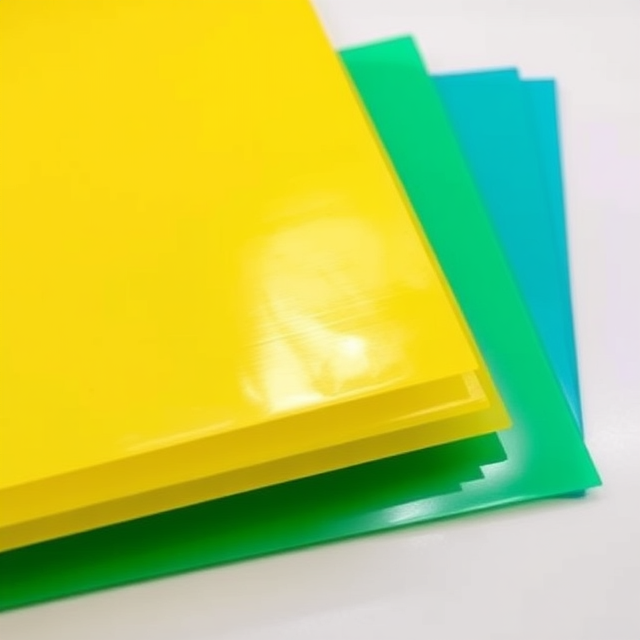
HDPE (High-Density Polyethylene): Properties, Benefits, Applications and Buying Guide
HDPE (High-Density Polyethylene) is one of the most versatile, durable and widely used plastics in North America. Known for outstanding chemical resistance, excellent impact strength, moisture barrier performance and long-term outdoor durability, HDPE is used across industrial, commercial, environmental and food-processing sectors.
PolyDX Plastic supplies HDPE sheets, rods, profiles and custom-machined parts to businesses across North America. Whether you need full sheets or HDPE parts cut, machined or fabricated, this guide will help you select the right grade and thickness.
This comprehensive guide explains what HDPE is, its physical properties, benefits, common uses, fabrication methods and comparisons with other plastics such as polypropylene and UHMW. It also includes a detailed buying guide to help you choose the right HDPE material for your project.
What Is HDPE Plastic?
HDPE (High-Density Polyethylene) is a semi-crystalline thermoplastic made from ethylene monomers. Its linear molecular structure gives it high strength, excellent chemical resistance and a low-friction, smooth surface.
HDPE belongs to the polyethylene family. It offers the ideal balance of rigidity, impact strength and affordability, making it one of the most widely used plastics globally.
Chemical Structure Overview
HDPE density ranges from 0.94 to 0.97 g/cm³, giving it more rigidity and strength than LDPE while remaining lightweight.
Mechanical and Physical Properties of HDPE
HDPE is valued because it performs reliably in demanding environments. Here are its key properties:
- High impact resistance
- Exceptional chemical resistance
- Near-zero water absorption
- Food-grade options
- UV-resistant grades available
- Low-friction surface
- Temperature range: -50°C to +80°C
Typical Physical Properties
| Property | Typical Value |
|---|---|
| Density | 0.94–0.97 g/cm³ |
| Tensile Strength | 20–30 MPa |
| Flexural Modulus | 800–1200 MPa |
| Impact Strength | Very High |
| Water Absorption | <0.01% |
| Service Temperature | -50°C to +80°C |
Advantages of HDPE
- Long-term durability
- Lightweight and easy to handle
- Excellent cost-performance ratio
- Easy to cut and machine
- Non-toxic, food-safe grades available
- Corrosion-resistant
Types and Grades of HDPE Sheets
1. General-purpose HDPE
Suitable for a wide range of industrial applications.
2. Food-grade HDPE
Ideal for cutting boards and food-processing surfaces.
3. UV-stabilized HDPE
Engineered for long-term outdoor performance.
4. Marine-grade HDPE
Perfect for moisture-rich and aquatic environments.
5. Pipe-grade HDPE
Extremely durable material used in heavy-duty applications.
6. Textured HDPE
Slip-resistant surface for equipment and furniture.
Common Applications of HDPE
Industrial Applications
- Wear strips, guides and mechanical components
- Chemical-resistant tanks
- Protective panels and covers
Commercial & Manufacturing
- Cutting boards and food-safe surfaces
- Equipment components
- Packaging systems
Marine & Outdoor
- Boat components
- Docks and platforms
- Outdoor furniture
Agriculture
- Enclosures
- Feeding stations
- Tanks and bins
Recreational
- Playground structures
- Skating rink components
How to Cut, Machine & Fabricate HDPE
Cutting HDPE
- Table saw
- CNC router
- Band saw
- Jigsaw
Machining
- High-speed milling
- Standard drilling
- Turning
Thermoforming
Softening range: 120°C to 130°C.
Bonding
HDPE cannot be glued using conventional adhesives — plastic welding is recommended.
HDPE vs Polypropylene (PP)
| Property | HDPE | Polypropylene |
|---|---|---|
| Impact Strength | Higher | Lower |
| Chemical Resistance | Excellent | Excellent |
| Heat Tolerance | Lower | Higher |
| Flexibility | More rigid | More flexible |
HDPE vs UHMW
- UHMW has superior abrasion resistance.
- HDPE is more economical and easier to machine.
How to Choose the Right HDPE Sheet
- Intended environment
- Required thickness
- Color
- Food-grade requirements
- Machining needs
PolyDX Plastic supplies full sheets as well as CNC cutting, machining and custom fabrication services.
Conclusion
HDPE is a durable, economical and versatile plastic used across a wide range of industries. With excellent chemical resistance, long-lasting durability and easy machinability, it remains a top choice for manufacturers and industrial companies.
For HDPE sheets, rods and machined components, PolyDX Plastic is your trusted supplier.
External Resources
To learn more about High-Density Polyethylene (HDPE) sheets, check out this comprehensive HDPE Polypropylene Overview on Wikipedia.
Related Pages
Updated December 22nd, 2025