(450) 688-4660   Call for a Quote TODAY!

  4664 Louis B. Mayer Laval, Québec H7P 6E4

Polypropylene Co-Polymer (PPC) Sheets

Polypropylene Co-Polymer (PPC) Sheets

Polypropylene Co-Polymer (PPC) is a high-performance thermoplastic polymer derived from the polymerization of propylene monomers, with a co-monomer added to enhance its physical properties. PPC offers a unique balance of flexibility, chemical resistance, and toughness, making it an ideal material for a wide range of industrial and consumer applications. Unlike regular polypropylene, PPC has improved impact resistance, especially at low temperatures, and can withstand more demanding conditions. It is used in critical applications such as food packaging, medical devices, and automotive components. PPC’s ability to be easily welded makes it suitable for various manufacturing processes, ensuring that it remains a top choice for versatile, cost-effective solutions.
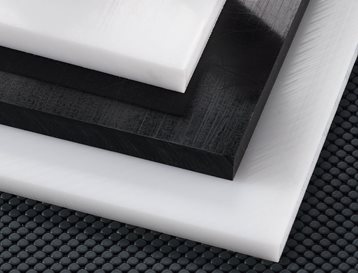
Co Polymer Sheets

Features

  • Enhanced Impact Strength: Superior impact resistance compared to standard polypropylene.
  • Chemical Resistance: Resistant to many chemicals, including acids and alkalis.
  • Improved Weldability: Easier to weld compared to regular polypropylene, ideal for seamless construction.
  • Flexibility: Greater flexibility, making it ideal for products that undergo repeated bending or stress.
  • Temperature Resistance: Suitable for use in both moderate and high-temperature environments.

Applications

  • Automotive: Used in manufacturing bumpers, interior panels, and various other parts that require strength and impact resistance.
  • Food Packaging: Ideal for containers, trays, and food packaging materials due to its non-toxic properties and chemical resistance.
  • Medical Devices: Used in the production of syringes, containers, and equipment that must be sterile and impact-resistant.
  • Industrial Components: Applied in chemical tanks, pipes, fittings, and other components that need chemical resistance and durability.
  • Consumer Products: Found in household goods such as containers, furniture, and non-woven fabrics.

Regulatory

Polypropylene Co-Polymer (PPC) plastic sheets comply with Canadian safety and environmental standards, including Health Canada regulations for food-contact and medical applications. Many grades meet international certifications such as FDA, NSF, RoHS, and REACH for chemical and environmental safety. Always verify certifications for your specific application.

Physical Properties

  • Density: ~0.90–0.92 g/cm³
  • Tensile Strength: ~25–40 MPa (PP) / ~20–35 MPa (CoPP)
  • Melting Point: 130–170°C
  • Moisture Absorption: Negligible
  • Impact Resistance: Moderate to high (higher in CoPP)
  • Thermal Stability: Good up to 100°C (continuous use)

Standard Sizes

Polypropylene Co-Polymer (PPC) plastics are available in sheets, rods, and films. Common sheet sizes include:
  • Density: 0.90 – 0.91 g/cm³, lightweight material ideal for various applications.
  • Tensile Strength: Typically ranges from 30-40 MPa, offering strong structural integrity.
  • Melting Point: Approximately 160°C to 165°C, providing good heat resistance.
  • Flexural Modulus: 1,000 – 1,400 MPa, adding to its strength under bending stress.
  • Water Absorption: Low water absorption, suitable for wet and humid environments.
  • Color: Naturally translucent but can be easily colored or dyed to meet specific aesthetic needs.
Custom sizes, thicknesses, and grades are available upon request.   

Related Pages


Note: This data is provided for guidance only. Performance must be verified by the user under actual application conditions.

Join the PolyDX Plastic NEWSLETTER! The best way to keep in touch and be informed.

Request a Quote

Please enter your request for quote information below.